20. výročie BISLA / 20th Anniversary of BISLA
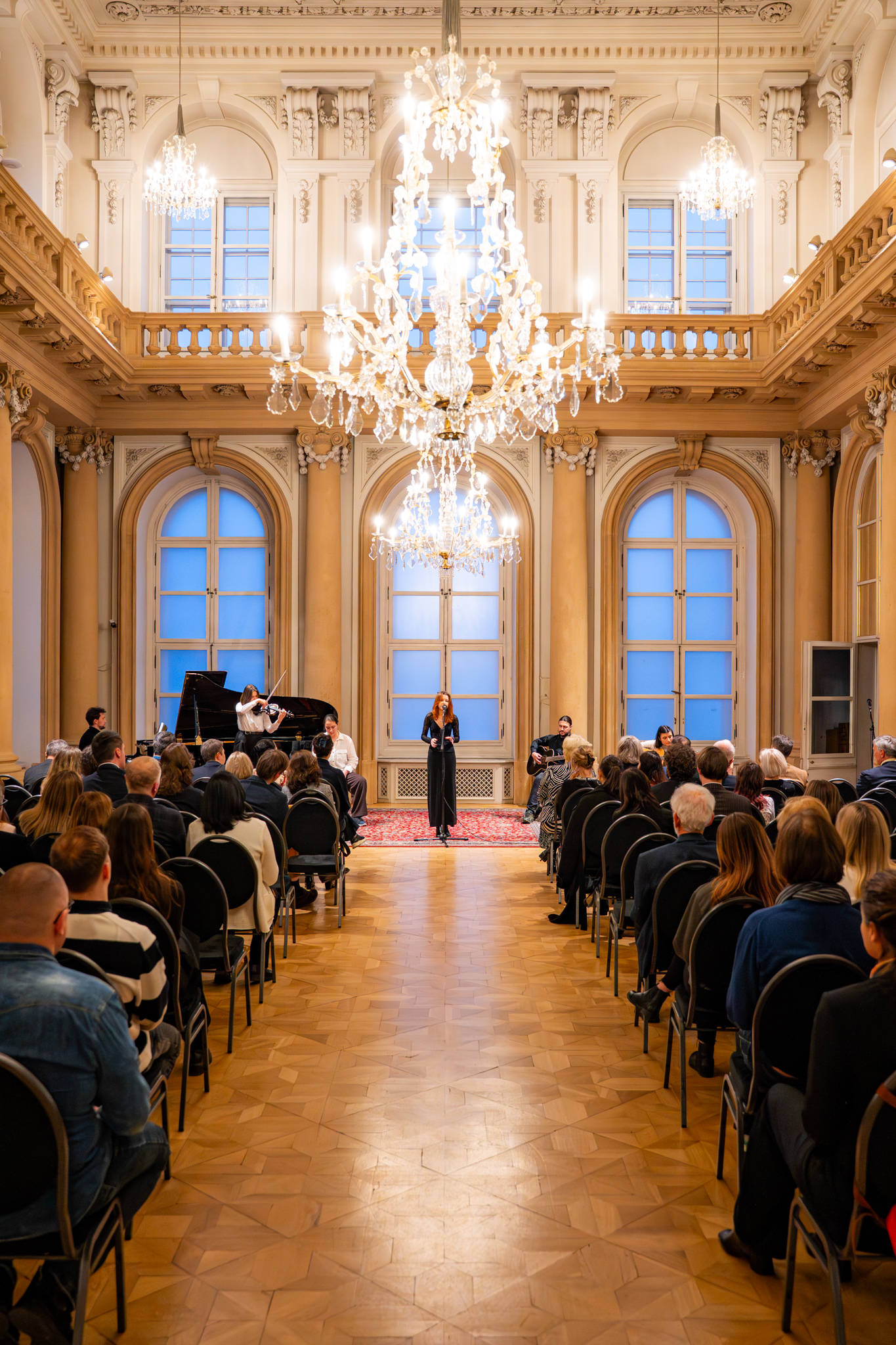
Slávnostné podujatie je súčasťou medzinárodného projektu, ktorý predstavuje investíciu do budúcnosti Ukrajiny. Vysoká škola BISLA oslavuje 20 rokov ako priekopník liberálnych štúdií v strednej Európe. Svoje skúsenosti teraz odovzdáva ďalej pedagógom z piatich ukrajinských univerzít: National University of Kyiv-Mohyla Academy, Poltava V. G. Korolenko National Pedagogical University, Zaporizhzhia National University, Ternopil Volodymyr Hnatiuk National Pedagogical University a Izmail State University of Humanities.
The ceremonial event is part of an international project that represents an investment in the future of Ukraine. BISLA celebrates 20 years as a pioneer of liberal arts education in Central Europe. It is now passing on its experience to educators from five Ukrainian universities: the National University of Kyiv-Mohyla Academy, Poltava V. G. Korolenko National Pedagogical University, Zaporizhzhia National University, Ternopil Volodymyr Hnatiuk National Pedagogical University, and Izmail State University of Humanities.
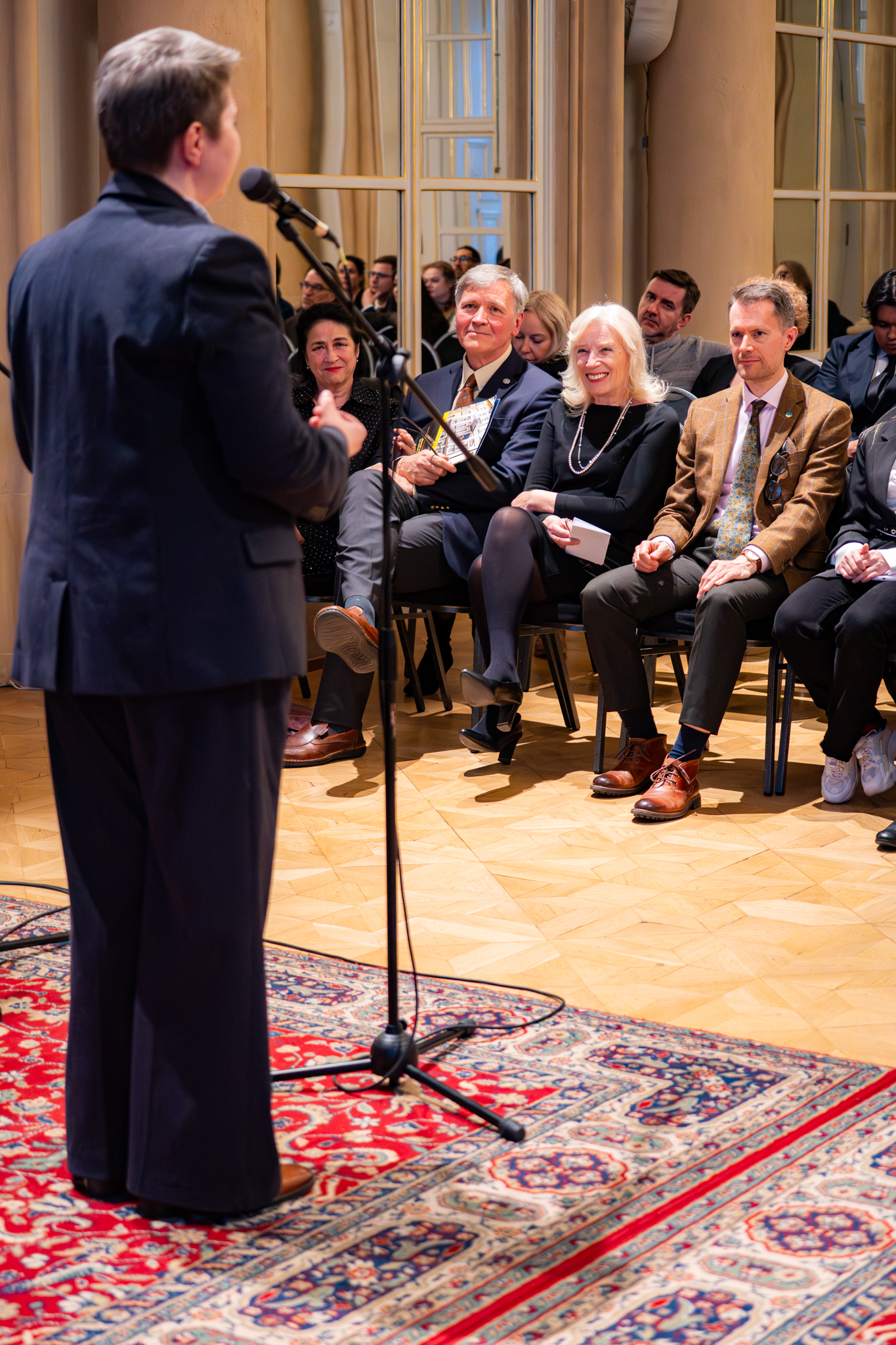
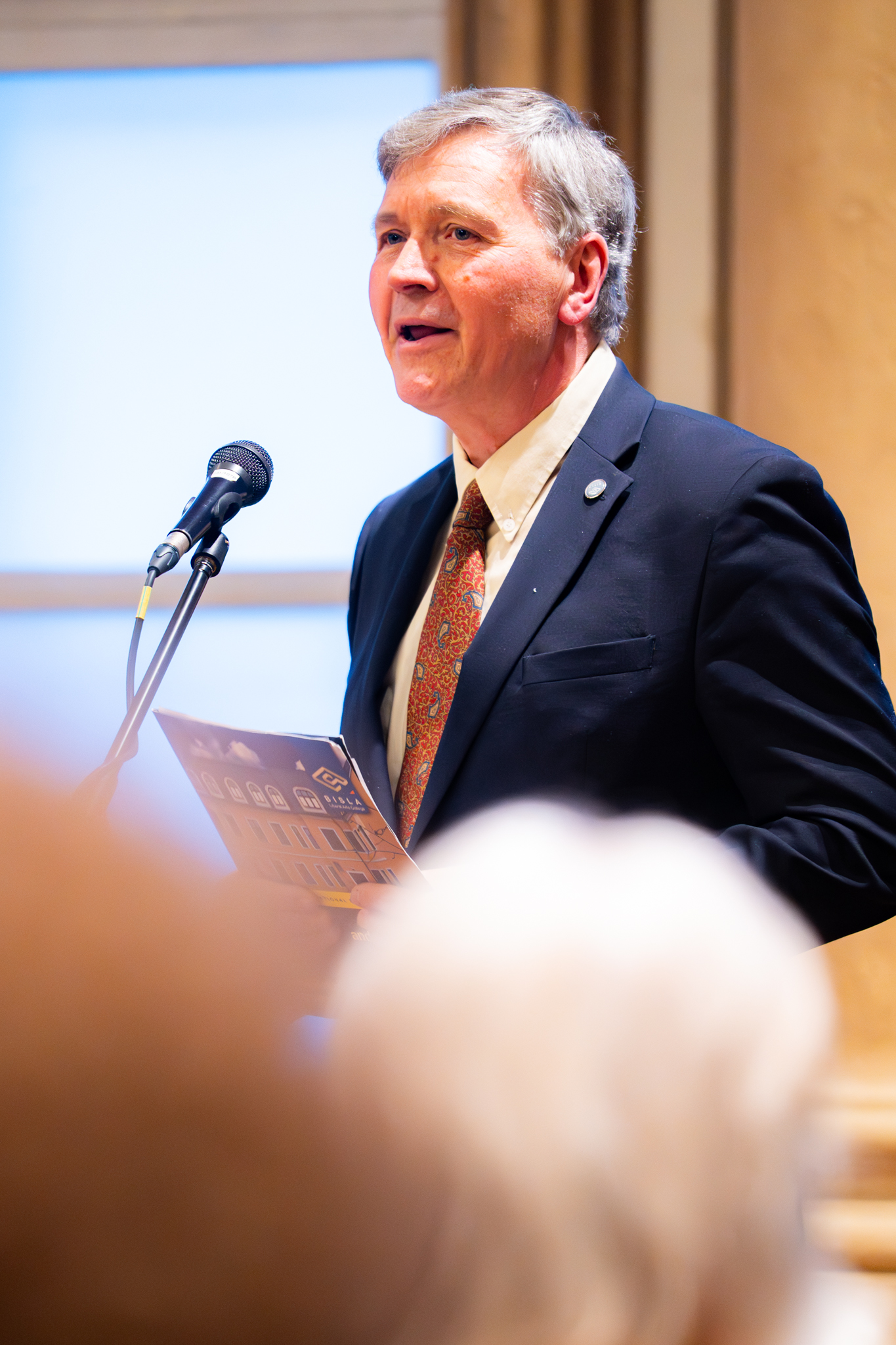
Rector’s Welcome Speech
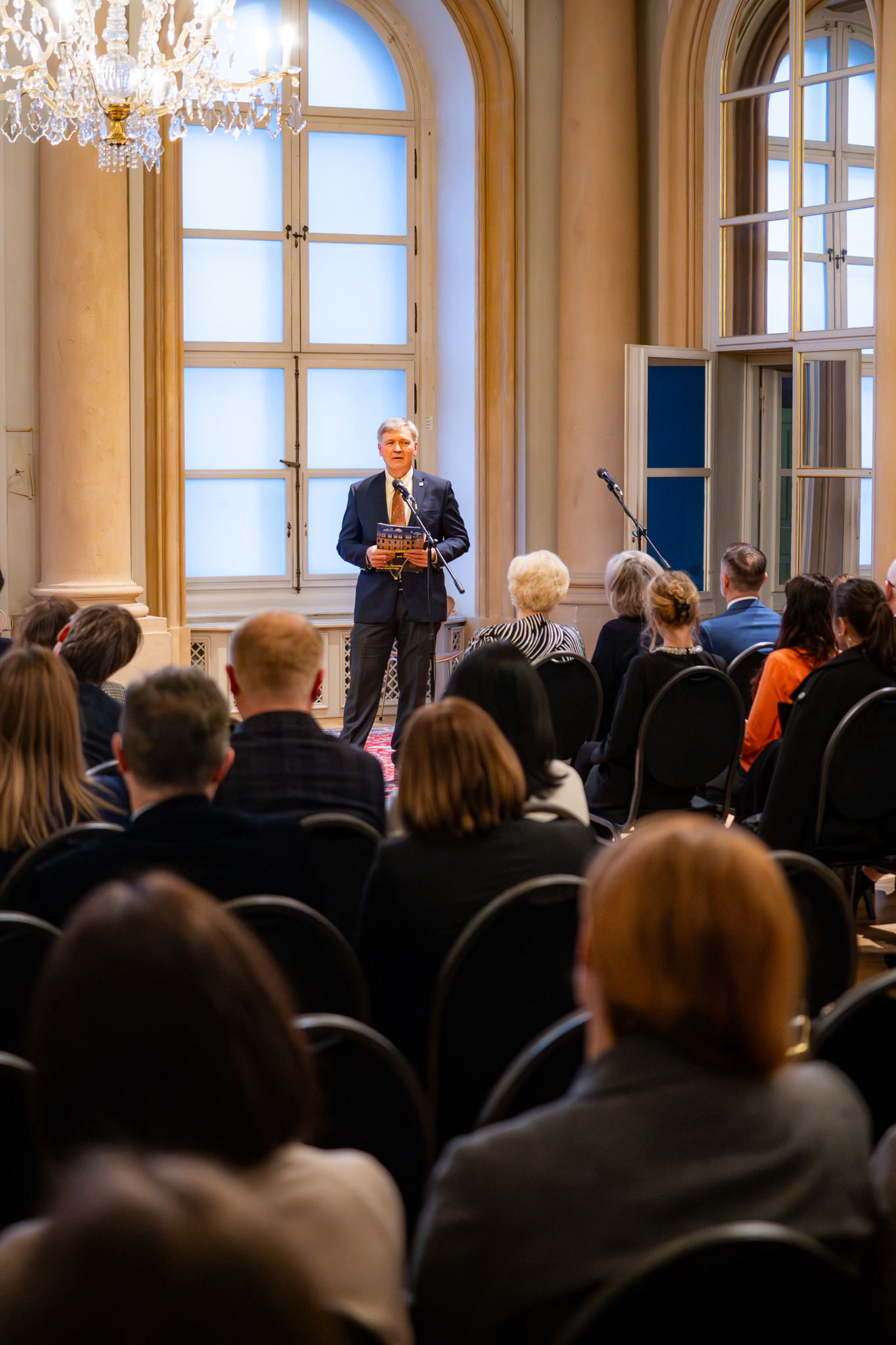
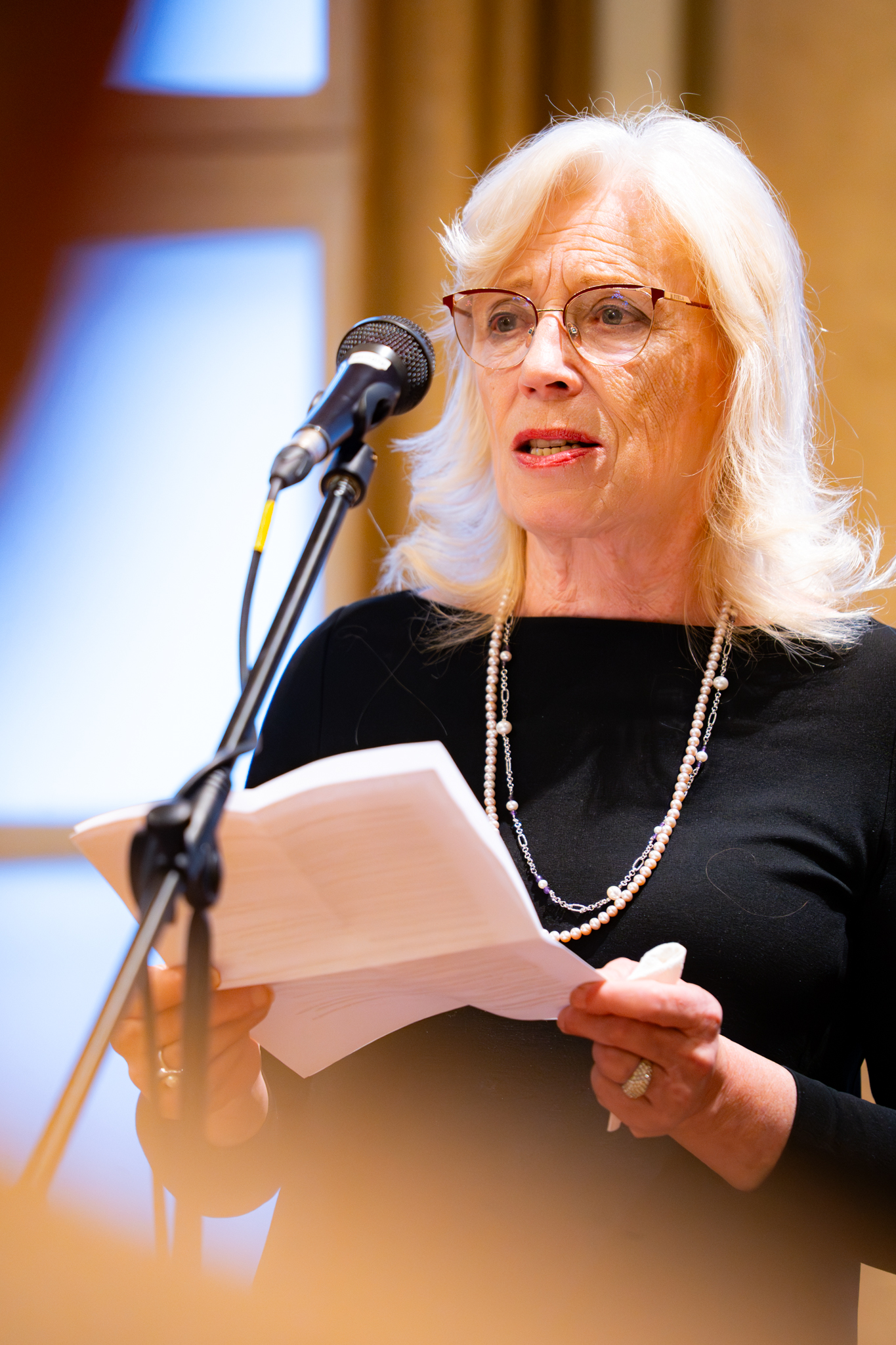
Reading of Julie J. Kidd’s Speech by Samuel Abrahám
Julie Kidd's greetings to the Ukrainian educators:
Best greetings to all BISLA’s Ukrainian guests, students, faculty and Mayor Flatnik, who has so graciously offered to host us—and in this wonderful space of significance to the Slovakian people. I am honored to offer these remarks today on Ukraine and a “liberating” arts education.
Ukraine is very important to me. It is important because her people are inspiring–and COURAGEOUS. It is important to me because of its rich cultural character. It is important to me because of the high-mindedness of the Ukrainian people when they gave up their nuclear weapons after the collapse of the Soviet Union. They did this because it was the right thing to do, not simply because of the still unfulfilled security guarantees given it in return by the “West”, especially the United States. Moreover, I value Ukraine’s artistic contributions, the beauty of its land, its architecture, the educational attainment of its people, their grit and hard work in the face of great challenge.
Our foundation, Endeavor Foundation, worked in Ukraine throughout the 1990’s. Through an American organization called CIME, we created 5 businesses there: a women’s dress factory in L’viv, a fruit juice factory, a pasta factory, an agricultural equipment business and a business incubator. I visited Ukraine in 1996 for ten days and spent a memorable day with Mikhail Horyn, a freedom fighter who had spent 25 years in a Soviet prison. We also visited four of these new businesses, as well as a monastery in the countryside (usually closed to women) and enjoyed the singing on Sundays as people from the countryside came to give voice to their respect for Ukraine’s poet laureate as they stood around his statue in the public square.
At the time, Ukraine was struggling to rid itself of governmental corruption and develop its own independent economy. Also, in many countries, NATO had expanded to the Russian border but left out Ukraine because it was not considered wealthy enough. Thus, in 1996, through Endeavor Foundation, we initiated an international conference in Washington, D.C., on “The Effects of NATO Expansion on Ukrainian Security”. We brought together Ukraine’s Ambassador to the United States, three Ukrainian generals, US State Department officials and Zbigniew Brezinski, among others. We did not accomplish all that we had hoped but achieved some progress. As is the case now, Ukraine did not receive the support that it deserved.
This was a disappointment because, like all of you in this room must also, I believe in striving for world peace and have since I was a teenager. I believe in an international rule of law and an international order. I unequivocally DO NOT believe in the invasion of another country just because another nation wants to annex it or thinks it should “have it back”. The US has been too weak in its support of Ukraine for many years, but the Ukrainians have proved today’s nay-sayers wrong by standing up to Russia, by developing drones with which to fight back, by never giving up, despite enduring unbelievable hardship.
You educators, gathered here at BISLA now, have a crucial role to play in Ukraine’s future, and I do believe that it will have a future as an independent nation, as it most assuredly should. You have young minds in your hands and an opportunity to introduce them to history, to literature, to music, to political theory, to philosophy, to the great achievements of science and humankind’s accomplishments of the highest order. You have an opportunity to offer to them tools of great positive intellectual power and significance which can improve the future course of history immensely. I think that this wonderful conference at this very special college can help in forwarding a humanistic manner of thought which can never be lost in the future, or the future will be lost.
Thank you.
Designing and Implementing Liberal Arts Studies in Ukraine: Teacher training workshop
BISLA welcomes forty university teachers from Kyiv, Poltava, Ternopil, Izmail, and Zaporizhie for the third teacher training workshop within the project Designing and Implementing Liberal Arts Studies in Ukraine. It is the final leg of preparations before five liberal arts programs are launched from September of this year.
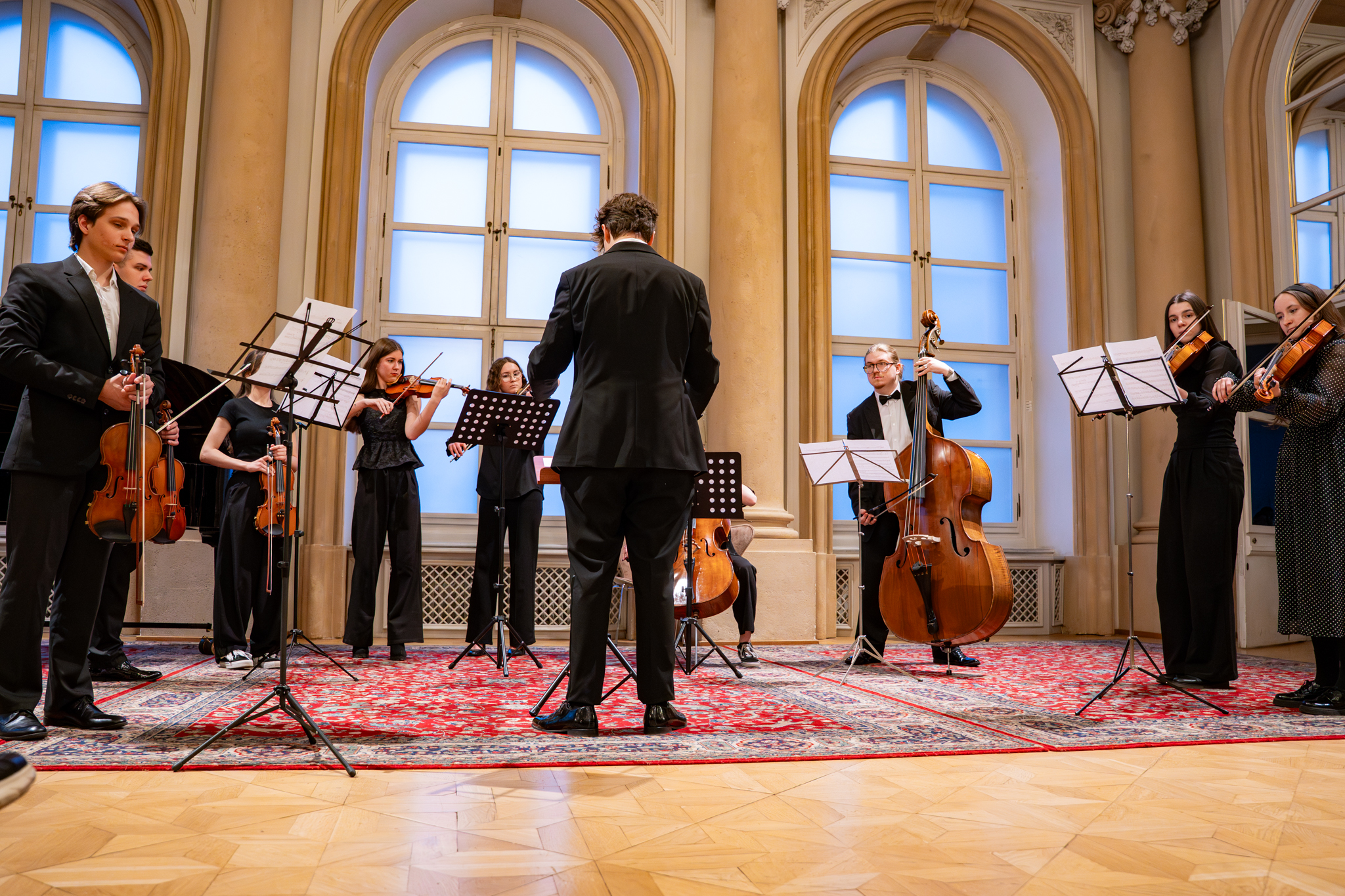
Workshop targets innovative teaching methods in liberal arts tradition, accompanied with experiential learning and teacher manual. On Monday evening, the mayor of Bratislava Matúš Vallo welcomes the team of educators at a ceremony and reception at Primate’s Palace, celebrating also the twenty years of BISLA’s existence.
Overview of the project Designing and Implementing Liberal Arts Studies in Ukraine
The Erasmus+ CBHE project “Designing and implementing Liberal Arts and Sciences studies in Ukraine” aims to introduce Liberal Arts (LA) and Liberal Arts and Science (LAS) programmes into the Ukrainian HE system drawing on the best practices and experience of EU partners. The project will establish five interdisciplinary LA/LAS programmes at the Bachelor level (EQF 6) in 5 regional Ukrainian HEIs representing 5 geographic regions: east, southeast, south, center, west of Ukraine and 2 categories: 3 pedagogical/humanities universities and 2 classical universities with developed natural science faculties. Curricula and course syllabi for LA/LAS programming will be designed, teachers trained, employers and school-leavers engaged, students recruited, programmes launched, duly accredited and popularized. Best practice from EU partners with multi-year experience in LA/LAS implementation will be drawn upon in the design and popularization of interdisciplinary short-cycle programmes relevant to Ukraine’s regional labour market and post-war reconstruction human capital needs.
The “Sustainable growth and jobs” overarching priority will be addressed through a focus on LA/LAS programmes that build foundational skills, ‘soft’ skills (e.g. problem solving, communication), and form the basis for informed further study choices in Science, Technology, Engineering, Arts and Maths (STEAM), as well as preparing students for entry into the post-war Ukrainian labour market.